Jamaican Food and the Stories Behind Every Bite
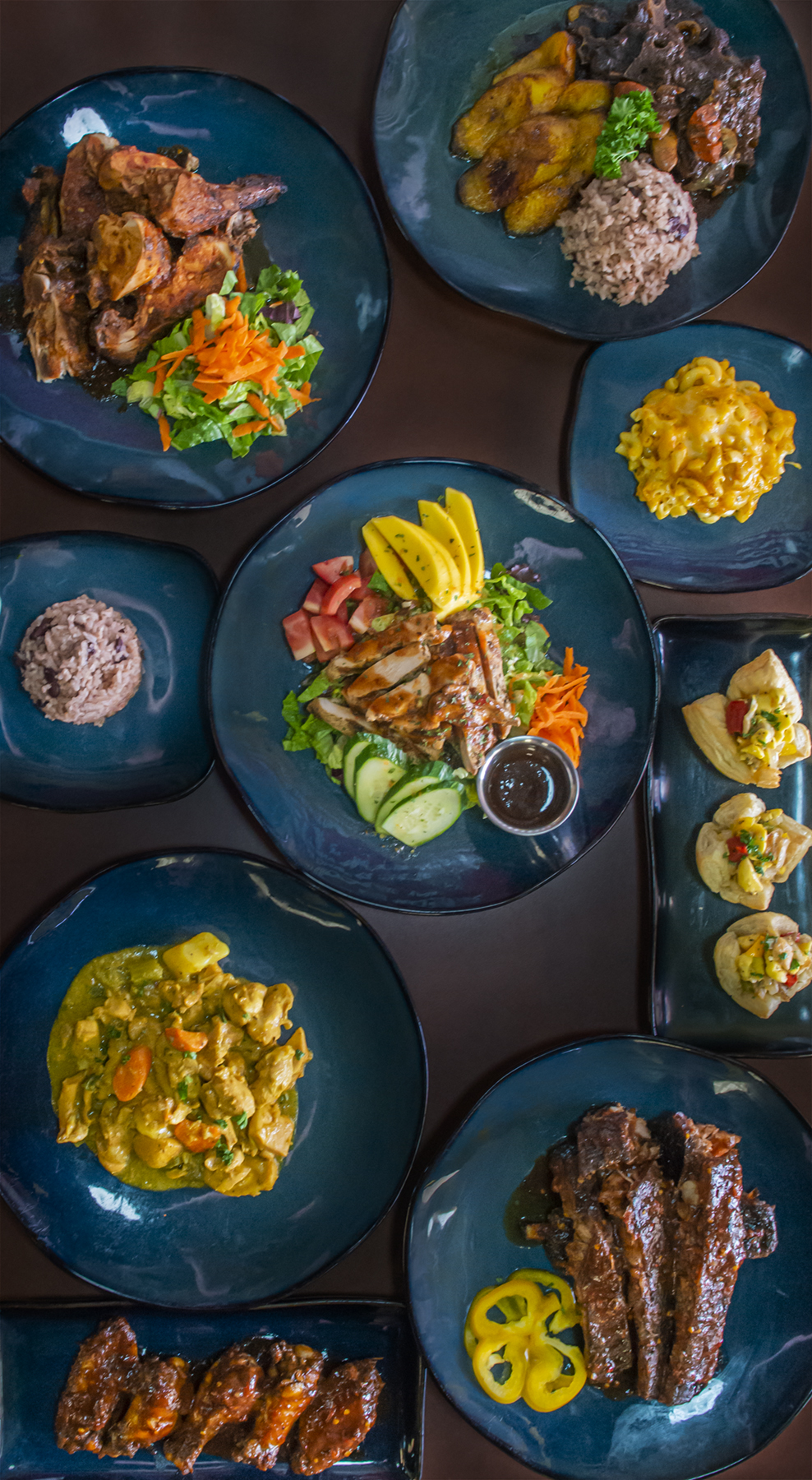
Jamaican food is often introduced through its boldest flavors first: the smoke of jerk rising from a roadside drum, the deep spice of curry goat, the soft sweetness of fried plantain, the comfort of rice and peas beside a rich brown stew. Those dishes deserve their fame, but they tell only part of the story. To understand Jamaican food properly, you have to look past the plate and into the history that shaped it, the landscape that feeds it, and the people who have carried recipes across generations with a mixture of discipline, instinct, and pride.
This is a cuisine built from movement. Indigenous knowledge, African foodways, European colonial influence, Indian indentureship, Chinese migration, and the practical creativity of island cooking all meet in Jamaican kitchens. The result is not confusion. It is clarity. Jamaican food knows exactly what it is. It is resourceful without feeling compromised, expressive without losing structure, and deeply local even when its roots stretch across continents.
That is one reason the food leaves such a strong impression. Another is that so many dishes in Jamaica do more than satisfy hunger. They mark Sundays, funerals, holidays, market days, beach trips, school mornings, and late nights after dancing. They are tied to weather, harvests, region, and memory. A plate of food can say where someone grew up, what their family valued, and how they learned to cook.
A cuisine shaped by survival and imagination
Jamaican food cannot be separated from the island’s history. The Taino, the island’s first inhabitants, used cassava, maize, peppers, and local seafood long before colonization. Some of those habits still echo in modern kitchens, especially in the use of cassava and pepper. After colonization and the horrors of the plantation economy, enslaved Africans brought agricultural knowledge, cooking techniques, seasoning traditions, and an understanding of how to make nourishing meals from limited ingredients. Much of what people now identify as classic Jamaican food was shaped in those difficult conditions.
That matters because the cuisine’s brilliance often comes from transformation. Tough cuts became slow-cooked centerpieces. Salted fish, once a preserved necessity, became one half of the national dish. Ground provisions such as yam, green banana, and coco were not treated as lesser substitutes. They became essential staples with real culinary weight. You still see that practical intelligence today. Jamaican cooks tend to value depth, texture, and satisfaction as much as visual refinement. A meal should hold you, not just impress you.
Later waves of migration added more layers. Indian workers introduced or expanded the use of curry blends, roti, and certain spice habits. Chinese communities influenced stir-frying and retail food culture. British colonial presence left its mark on baking, puddings, and salted cod imports, even if many of those ingredients were transformed beyond recognition in Jamaican hands. The finished cuisine is not borrowed in a passive way. It is adapted, asserted, and made distinctly Jamaican.
Why seasoning matters so much
If there is one principle that runs through Jamaican cooking from the simplest breakfast to the grandest feast, it is seasoning. Not just heat, although Scotch bonnet peppers certainly play a starring role, but seasoning in the fuller sense: layering aromatics, balancing thyme with scallion, using pimento to deepen warmth, understanding when garlic should lead and when it should stay in the background.
In experienced hands, green seasoning is not a rigid formula. It is a living base. One cook may lean heavier on thyme, another on onion and scallion, another on allspice or ginger depending on the dish. The point is not to make everything taste the same. The point is to build a foundation that lets each ingredient become more itself. Fish should still taste like fish. Goat should still taste like goat. The seasoning should sharpen identity, not flatten it.
That balance is especially important in Jamaican food because so many dishes involve braising, stewing, grilling, or frying. These methods intensify flavor. If the seasoning is muddy, the final dish becomes heavy. If it is tuned well, even robust food feels lifted. It is one reason a good cook can make something as humble as steamed cabbage with carrots and bell pepper feel memorable.
Jerk is more than a flavor
Outside Jamaica, jerk is often reduced to a bottled sauce or a menu label attached to anything with smoke and chile. That misses the point. Jerk is both a seasoning tradition and a cooking method, one with deep historical roots. It is linked to the Maroons, communities formed by formerly enslaved Africans who resisted colonial rule and developed survival strategies in Jamaica’s interior. Cooking meat slowly over pimento wood, preserving flavor while using techniques suited to mobility and difficult terrain, became part of that legacy.
Real jerk carries more than heat. It should be smoky, aromatic, and slightly sweet in places, with pimento and thyme working alongside Scotch bonnet rather than beneath it. The texture matters too. Jerk chicken cooked over live fire has a different personality from oven-roasted chicken brushed with jerk sauce. The skin should pick up char and rendered fat. The spice should penetrate, not sit on the surface. The interior should remain juicy enough to stand up to festival, bread, or a cold drink without becoming dry.
Anyone who has eaten jerk from a roadside setup in Jamaica knows the smell reaches you before the stall comes into view. There is a physical pull to it. Smoke, pepper, and meat fat mingle in the air so completely that appetite feels automatic. That sensory power is part of why jerk became internationally famous. But fame can oversimplify. Good jerk is not merely spicy food. It is history cooked over wood.
Ackee and saltfish, and the story of making something whole
Ackee and saltfish, Jamaica’s national dish, is a perfect example of how the island turns layered history into everyday pleasure. Ackee itself came from West Africa. Saltfish arrived through colonial trade routes and the economics of preserved food. Together, with onion, tomato, scallion, thyme, and pepper, they become something that feels complete and deeply local.
Ackee has a delicate texture, somewhere between scrambled egg and soft avocado, though neither comparison fully captures it. It absorbs flavor gently, which is why saltfish works so well beside it. The fish brings salinity and body. The ackee softens and rounds those edges. When the dish is cooked well, it does not taste crowded. It tastes calm, balanced, and familiar.
There is also an important practical lesson in this dish. Jamaican food often values restraint as much as intensity. Ackee and saltfish is not supposed to be overloaded with seasoning until its main ingredients disappear. A skilled cook knows when to stop. Too much tomato can make it watery. Too much stirring can break the ackee. Too much salt can ruin the dish quickly. The best versions show confidence.
It is usually served with fried dumplings, boiled green bananas, roasted breadfruit, bammy, or hard dough bread, depending on the setting and the household. That flexibility says a lot about Jamaican food. Dishes are rarely isolated. They exist in relationship with starches, sides, sauces, and the rhythms of the day.
Breakfast is where the island’s logic becomes clear
Many visitors expect tropical fruit and light fare in the morning. Jamaica certainly offers fruit, and some of the best you will taste anywhere, but breakfast often leans substantial. This is a country that respects a meal with staying power. Callaloo with salt mackerel, ackee and saltfish, porridge, boiled dumplings, yam, green banana, fried plantain, liver, and even leftover stew can all appear before noon.
That may surprise people used to toast and coffee, but it makes sense in context. For generations, physical labor demanded real fuel. Ground provisions and dumplings provided fullness at a reasonable cost. Porridges made from cornmeal, peanut, oats, plantain, or hominy offered warmth and strength. Breakfast was not designed as a quick symbolic meal. It was meant to sustain.
There is also remarkable textural variety in Jamaican breakfasts. Soft porridge might be paired with dense fried dumplings. Silky ackee might sit beside firmer boiled green banana. Salted fish offers bite against yielding callaloo. Good cooks think about these contrasts instinctively. They do not speak about texture in fashionable restaurant language. They simply know when a plate feels right.
The central role of ground provisions
To understand Jamaican food, pay attention to what sits beside the main protein. Yam, green banana, coco, cassava, sweet potato, breadfruit, and dumplings are not background filler. They are central to the way the cuisine feeds people. They also carry agricultural and social meaning. Many of these foods are tied to small farming, market life, and family cooking traditions that long predate contemporary restaurant culture.
Breadfruit is a particularly telling example. Roasted breadfruit with ackee and saltfish or mackerel can be one of the most satisfying meals on the island. Done right, the roasted flesh becomes smoky and starchy, firm enough to slice yet soft enough to absorb juices. It is deeply comforting without being bland. People who know only imported breadfruit chips or underseasoned versions often miss how elegant it can be.
Ground provisions also reveal one of Jamaican cuisine’s strongest qualities, which is its respect for satiety. Many food cultures produce dishes meant to dazzle. Jamaican food certainly can do that. But it also remembers the value of fullness, the kind that lets someone work, travel, gather, or simply feel cared for. There is dignity in that.
Patty culture and the brilliance of everyday food
For all the attention given to slow-cooked classics, some of Jamaica’s most beloved foods live in the quick rhythm of ordinary life. The patty is perhaps the clearest example. Properly made, it is a handheld masterclass in contrast: flaky pastry with a slight turmeric tint, a filling that is savory and moist, enough spice to stay lively, and just enough structure to be eaten on the move.
Beef remains the standard for many people, but chicken, vegetable, soy, shrimp, and ackee variations all have their followings. The ideal patty sparks endless debate. Some prefer a softer crust, others a shattering one. Some want serious heat, others a gentler seasoning. Some swear by a patty tucked into coco bread, where the soft bread catches crumbs and tempers spice. That combination is more than a snack. It is a piece of social life, common in school runs, bus stops, work breaks, and late afternoons.
Street and bakery foods deserve respect in any discussion of Jamaican food because they show what a culture chooses to make convenient without sacrificing identity. Patties do not feel generic or mass produced at their best. They feel specific, local, and fiercely defended.
Soup, Saturday rituals, and the taste of community
There is something unmistakably communal about Jamaican soup. Saturday soup in particular carries a rhythm of its own. Chicken foot soup, red peas soup, mannish water, fish tea, pumpkin soup, and goat head soup all have loyal audiences. These are not delicate broths meant to disappear politely. They are hearty, fragrant, and restorative.
Soup in Jamaica often behaves like a full meal. It may include dumplings, yam, pumpkin, carrots, cho cho, yellow yam, and meat or fish substantial enough to satisfy on its own. The broth is expected to have body. It should carry the flavor of everything that has gone into the pot, not taste like hot water with garnish.
The social dimension matters as much as the culinary one. Soup is often shared. It appears at gatherings, cookouts, family homes, corner shops, and community events. It can signal care after illness, welcome on arrival, or simple weekend pleasure. There is a reason people speak of certain soups with such feeling. They are tied to moments when food does emotional work.
Curry goat, stew peas, and the patience built into the pot
Some Jamaican dishes ask for patience, and patience is part of their flavor. Curry goat is a good example. When rushed, it can be disappointing, chewy, oily, or one-note. When handled well, it becomes deeply aromatic, with tender meat that has absorbed curry, garlic, thyme, scallion, and Scotch bonnet without losing its character. The gravy should be rich but not greasy. The spice should bloom rather than burn.
Stew peas offers another lesson in timing and judgment. Despite the name, it is closer to a thick bean stew, often made with red kidney beans, salted meat or pig’s tail, coconut milk, and spinners, the small hand-rolled dumplings that give the dish its distinctive feel. A good pot of stew peas tastes developed, not merely assembled. Coconut milk rounds the beans, salted meat brings depth, and the dumplings absorb everything around them.
These dishes remind you that Jamaican food is not only about fiery immediacy. It is also about slow extraction, soaking, simmering, tasting, adjusting, and knowing when a dish has settled into itself. That sort of cooking takes repetition. Recipes can guide, but experience decides the finish.
The ingredients that quietly define the cuisine
A few ingredients appear so often in Jamaican kitchens that they function almost like a language. Each one says something specific.
- Scotch bonnet brings fruitiness as well as heat, and cooks use it differently depending on whether they want sharp fire or gentler perfume.
- Pimento, known elsewhere as allspice, adds warmth and depth that are essential to jerk, stews, and many marinades.
- Thyme and scallion form part of the backbone of savory cooking, grounding dishes from fish to beans.
- Coconut milk enriches rice, soups, and stews, especially where softness and roundness are needed.
- Browning sauce, used carefully, helps develop color and a bittersweet edge in many stewed dishes.
Used carelessly, these ingredients can overwhelm. Used well, they create the signatures people recognize immediately. This is where Jamaican food often separates confident home cooking from less practiced attempts. The issue is rarely the ingredient itself. It is proportion.
Festival food, sweets, and the pull of memory
Not every important Jamaican food is a savory main. Festivals, desserts, and drinks carry their own stories. Festival, the slightly sweet fried dough often paired with fried fish or jerk, captures the cuisine’s ease with contrast. It softens spice, catches sauce, and offers a touch of sugar without becoming dessert. Gizzada, grater cake, toto, rum cake, potato pudding, sweet potato pudding, and duckunoo each represent different parts of the island’s baking and sweet-making traditions.
Potato pudding in particular often inspires strong affection. Dense, warmly spiced, and usually enriched with coconut milk, it feels less like a flashy dessert than an heirloom. The best versions have a texture that sits somewhere between baked pudding and firm cake, with edges that darken just enough to concentrate flavor.
Drinks belong in the conversation too. Sorrel at Christmas, often steeped with ginger and sometimes fortified with rum, carries both seasonal joy and ritual. Irish moss, peanut punch, carrot juice, and fresh cane juice speak to another side of Jamaican food culture, one https://josuecnrk099.currentvale.com/posts/an-introduction-to-the-heart-of-jamaican-food where nourishment, refreshment, and belief in what a drink can do for the body all come together.
Regional character and the difference place makes
Jamaica is not large, but it is varied enough that place influences taste. Coastal communities naturally build stronger seafood traditions. Inland areas may lean more heavily on certain ground provisions or meat dishes. Urban food culture moves faster, with patties, jerk centers, restaurants, and takeaway counters shaping habits differently from rural kitchens where ingredients may come from nearby trees, gardens, or markets.
Portland is frequently associated with jerk, and with good reason, though excellent jerk can be found elsewhere. Easter brings bun and cheese into national focus. Christmas tables look different from everyday lunches. Market availability changes what gets cooked, and rainfall, elevation, and local farming matter more than many outsiders assume. Jamaican food is national, but it is not uniform.
That regional nuance is worth preserving, especially now that social media often flattens cuisines into a handful of photogenic dishes. A country’s food culture is never just its most exportable items. It is also the soups sold at roadside stands, the seasonal fruits eaten over the sink, the exact way one parish seasons a fish versus another, the preferred starch on a breakfast plate, the bakery item everyone claims their district does best.
What Jamaican food gets right about hospitality
Some cuisines perform hospitality through abundance. Jamaican food often does that, but it also expresses hospitality through insistence. Eat a little more. Taste this one too. Take some for later. Try it with pepper sauce. Have it with breadfruit instead. That spirit is not incidental. It is built into the way the food is served and discussed.
Much of the cuisine is designed for sharing or at least for generous portioning. Large pots, trays, and platters make sense when meals are social. Rice and peas stretches well across a table. Stew, curry, and soup reward batch cooking. Fry fish becomes part of an outing. Pudding can be sliced for many. Even patties invite comparison and conversation.
There is confidence in this hospitality. Jamaican food does not apologize for being robust or intensely seasoned. It trusts the eater to meet it where it is. That confidence may be one reason the cuisine inspires such loyalty among people far from the island. Food that carries conviction tends to travel well.
The stories that remain after the meal
People often remember their first encounter with Jamaican food through flavor, but what lingers longer is usually the feeling around it. A grandmother cleaning callaloo at the sink. Someone tending jerk over coals with patient attention. A Saturday soup ladled into a cup before the full bowl arrives. The smell of curry in a kitchen long before lunch is ready. The shared argument over which bakery makes the best patty. The careful warning not to bite directly into the hidden Scotch bonnet in the pot.
These scenes matter because Jamaican food is deeply narrative. It records migration, labor, resistance, celebration, scarcity, and abundance all at once. It can be festive, practical, ceremonial, or restorative depending on the moment. It knows how to comfort without becoming dull, and how to excite without losing coherence.
That is why every bite seems to come with a backstory. The food is carrying memory, adaptation, and craft. It is telling you how people made homes under pressure, how communities shaped identity around the table, and how flavor became one of the island’s clearest forms of cultural expression.
Jamaican food rewards appetite, certainly, but it also rewards attention. The more closely you taste it, the more you notice how much history sits inside a spoonful of stew peas, a piece of roast breadfruit, or a properly cooked plate of ackee and saltfish. Nothing about it is accidental. Even the simplest meals are built from decisions that have been tested over time.
That is the real pleasure of the cuisine. It fills you, but it also teaches you. Every dish says something about endurance, pride, and the art of making food speak clearly.
Reggae Pot Jamaican Grill
7562 S University Blvd C, Centennial, CO 80122
(303) 997-5623
FAQ About jamaican food
What is the best Jamaican food to try in Centennial?
The best choice depends on your preferences. Reggae Pot Jamaican Grill offers jerk chicken, curry goat, oxtail, and escovitch snapper, along with sides such as rice and peas and fried plantains. Ask the restaurant about current availability and spice levels before ordering.
Is Jamaican food very spicy in Centennial?
Heat varies by dish and preparation. Jerk dishes can be hot, while some stews and sides are milder. Tell the restaurant your preferred heat level and ask which options suit you.
What is typically on a Jamaican menu?
Common choices include jerk chicken, curries, oxtail, fish, patties, rice and peas, and plantains. Reggae Pot also lists ackee and saltfish and vegetable dishes. Menus and availability can change, so confirm your choices when ordering.